🌖 Rendering
Personal Vulkan Rasterizer — Smoke Engine
A real-time 3D rendering engine I built in C++ and Vulkan as a personal project to explore modern graphics techniques. It loads glTF 2.0 scenes and renders them through physically based, image-based-lit pipelines with filmic tone mapping.
Rendering highlights
- Physically based rendering with a metallic-roughness workflow and normal mapping.
- Image-based lighting — HDR environment maps converted to irradiance and radiance cubemaps in a compute pass for ambient diffuse and specular.
- Forward and deferred pipelines, with a bindless texture array indexing all materials in the forward pass.
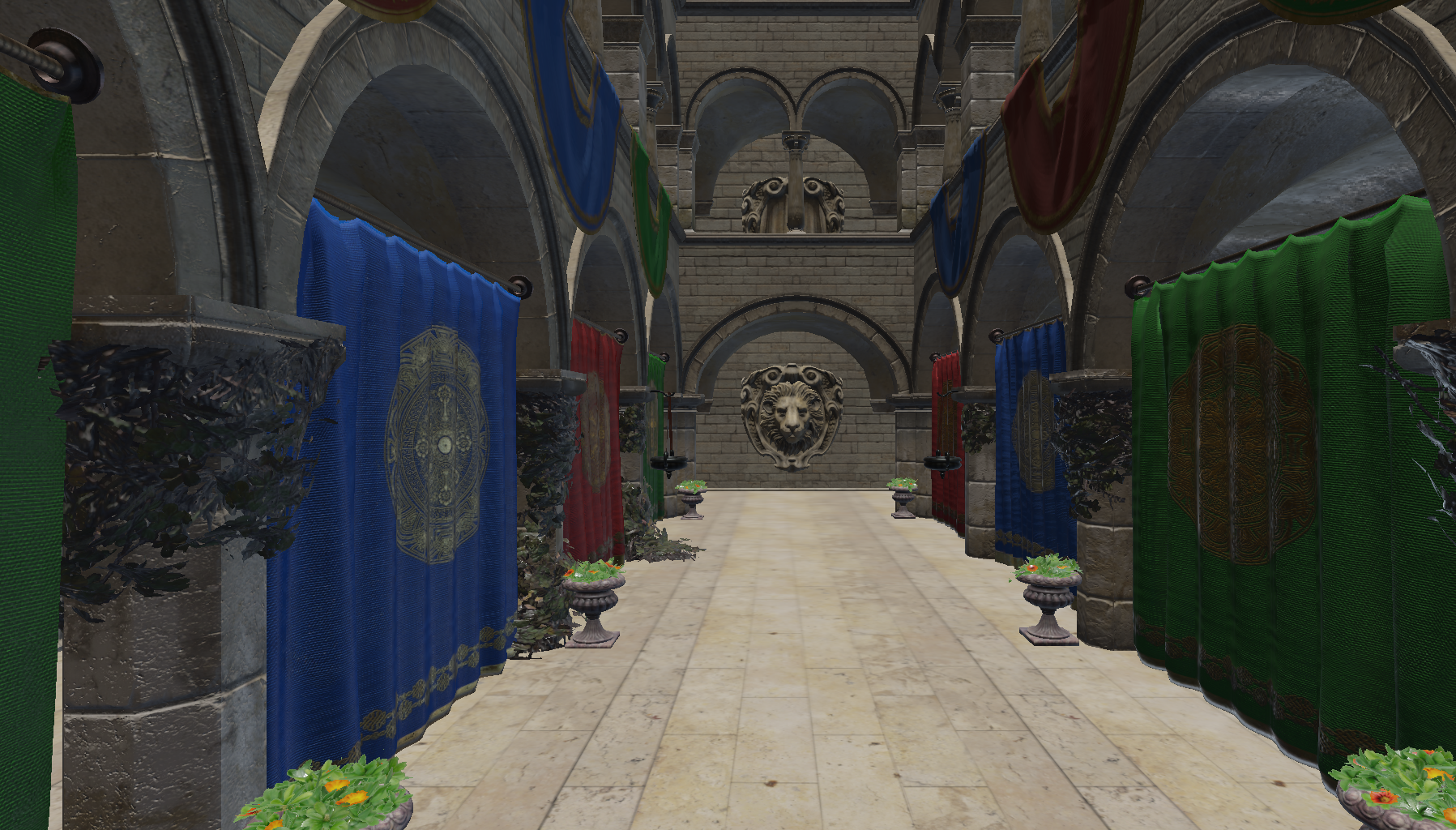
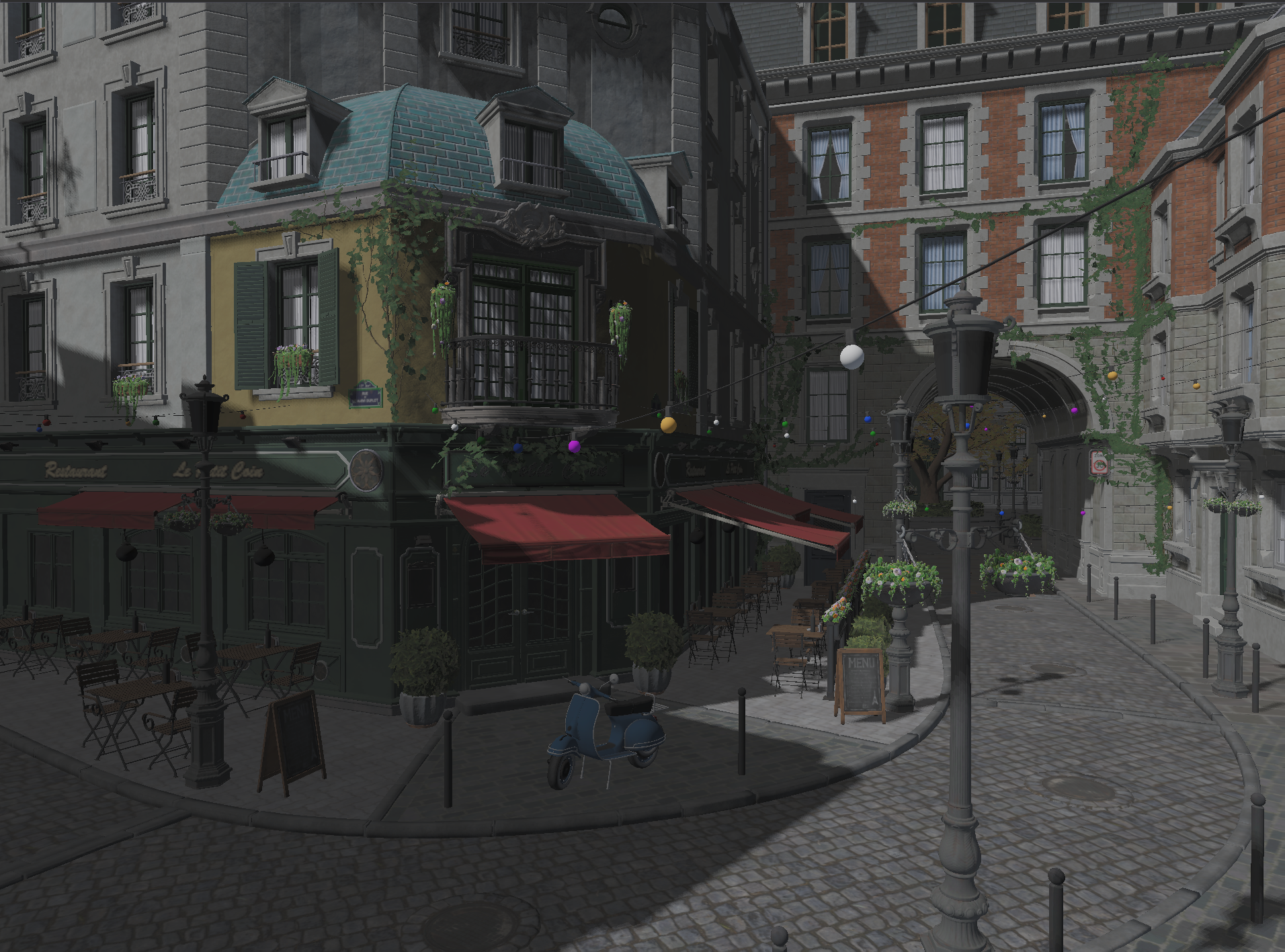
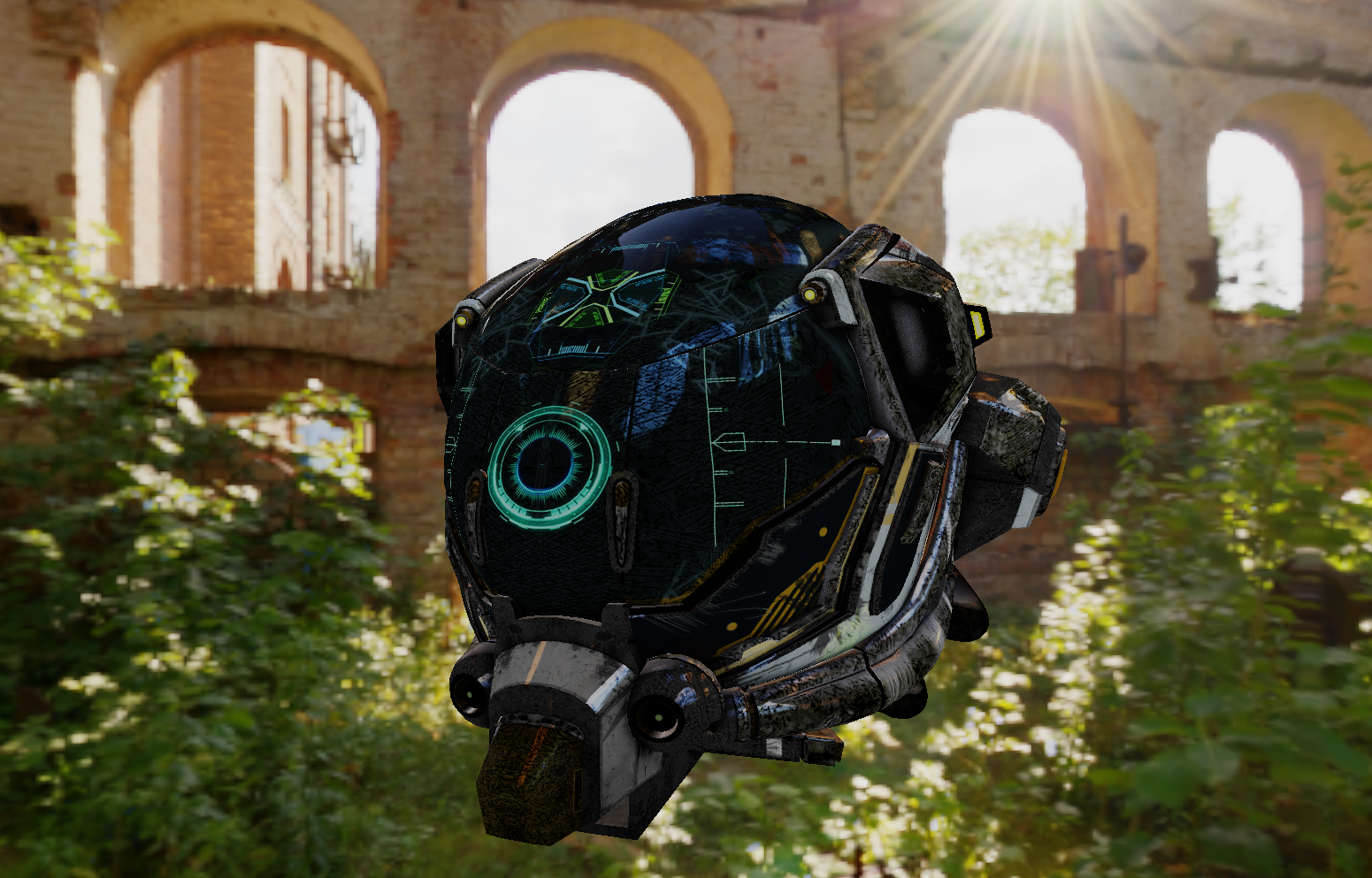
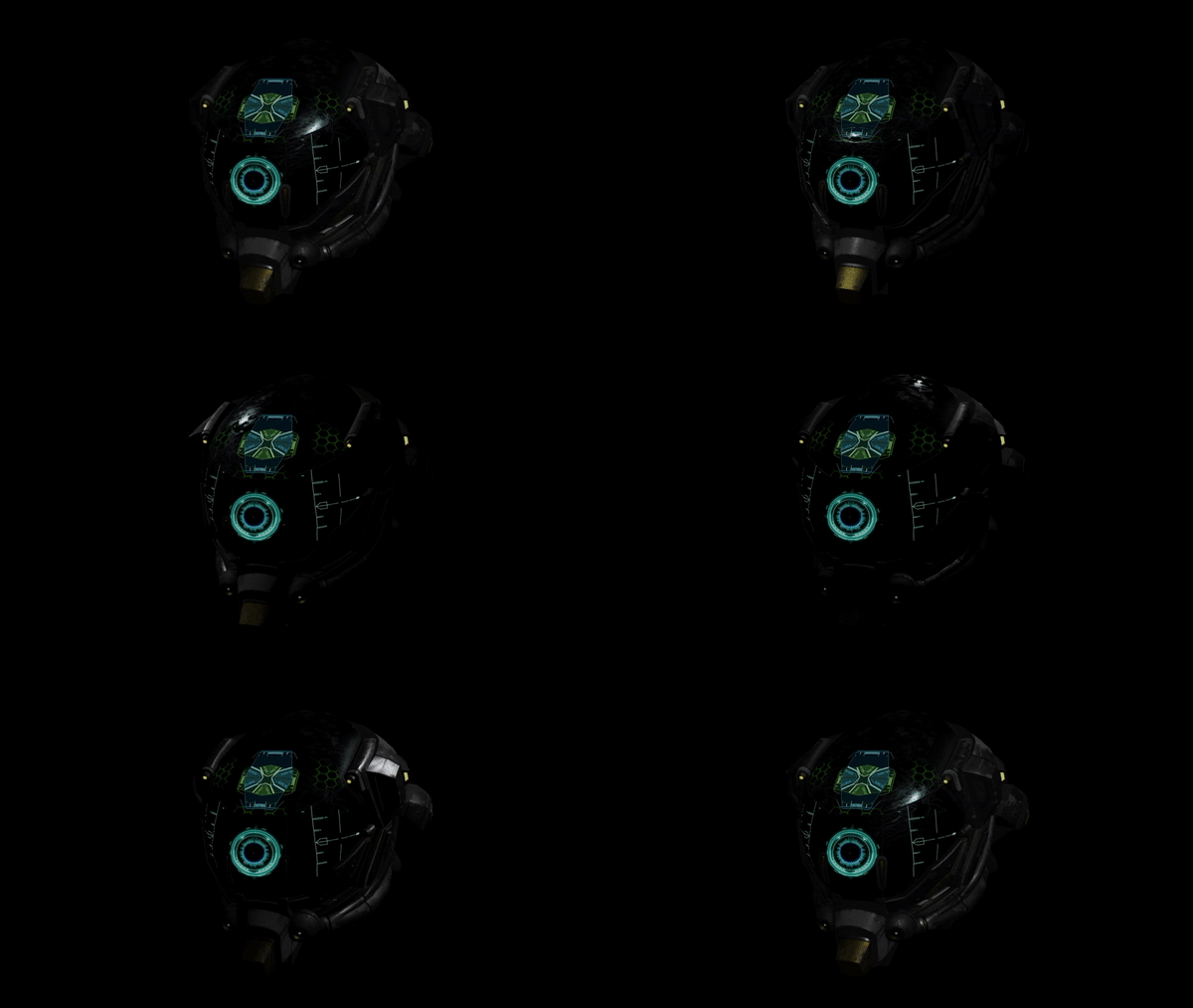
Model credits. Sponza — original model by Marko Dabrovic (2002), improved version by Frank Meinl / Crytek, with a PBR texture pack via alexandre-pestana.com. Battle Damaged Sci-fi Helmet — PBR by theblueturtle_ (Sketchfab), published under a Creative Commons Attribution-NonCommercial license. Both distributed via the Khronos glTF Sample Models collection. Amazon Lumberyard Bistro — courtesy of Amazon Lumberyard, via the NVIDIA Open Research Content Archive (ORCA), licensed under CC BY 4.0.
Personal Pathtracer
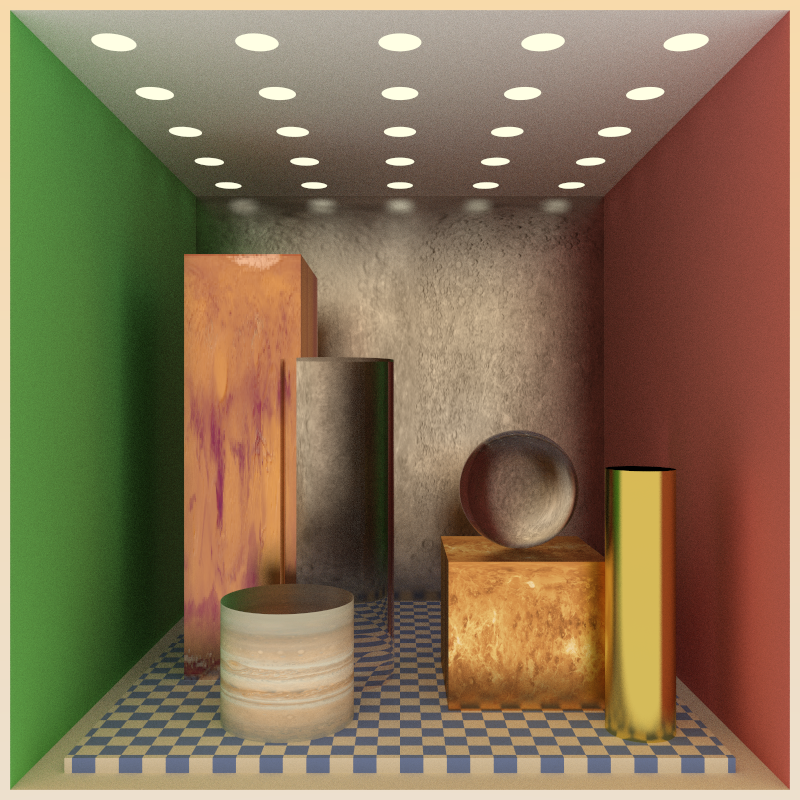
A personal ray tracer implementation mainly for studying path tracing techniques on my own. Implementation is based on @Peter_shirley’s Ray Tracing in One Weekend (a very fun series, I highly recommend!) and PBRT.

WebGL deferred renderer
A WebGL renderer built in my graduate study.
